Apollo 11 stepping out in faith
From the book, Exploding Hushpuppies
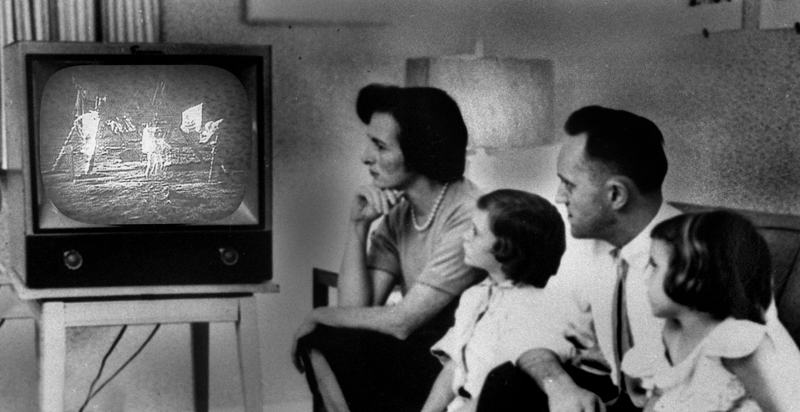
Still preschool age and not fully able to understand the implications of seeing a man walk on the moon, I remember more about the overjoyed adults in the room than the actual lunar event. My parents, only in their late 20s, and my uncle, who was visiting, gathered around our small, staticky TV set and cheered as Neil Armstrong stepped onto the moon.

Later, as I played on my swing set, they handed me the newspaper and snapped my photo with the bold headline: “America’s Greatest Venture: Americans Walk on Moon.” I grew up thinking space travel was normal.
When I was in college, the space shuttle Challenger exploded, and classmates on our Tallahassee campus claimed to have seen the glaring streak in the sky. Even without social media, news spread instantly across campus. As an aspiring teacher, I was devastated because I had cheered for educator Christa McAuliffe; losing her broke my heart.
In 2003, my son’s first-grade class studied space and gathered in the lunchroom to watch the launch of the Columbia. The following Saturday, as we left for a soccer game, the news broke that upon atmospheric entry, Columbia had exploded and all aboard were lost. My son sat in church the next day with his legs dangling off the pew, clutching his small space shuttle toy. He had brought it in his pocket and sat with his head hung low, not playing with it, but just gently holding it in hands that still had a chubby, baby look.
For many years, we received email alerts so we could take our boys outside at night and watch the International Space Station glide overhead. In the stillness, we’d watch the stars twinkle and wonder aloud what the crew was doing. An ordained elder in his Presbyterian church, Buzz Aldrin took the elements with him to observe communion in space. Before the lunar module hatch of Apollo 11 opened for the “giant leap for mankind,” Aldrin silently read John 15:5 and took the bread and wine to remember another sacrifice that made the impossible possible. Aldrin later said he regretted releasing the information about his private communion experience because his desire was to represent all people of Earth. Later, in 1969, when most faiths in America weren’t as mainstream as Christianity, he explained, “At the time, I could think of no better way to acknowledge the Apollo 11 experience than by giving thanks to God.”
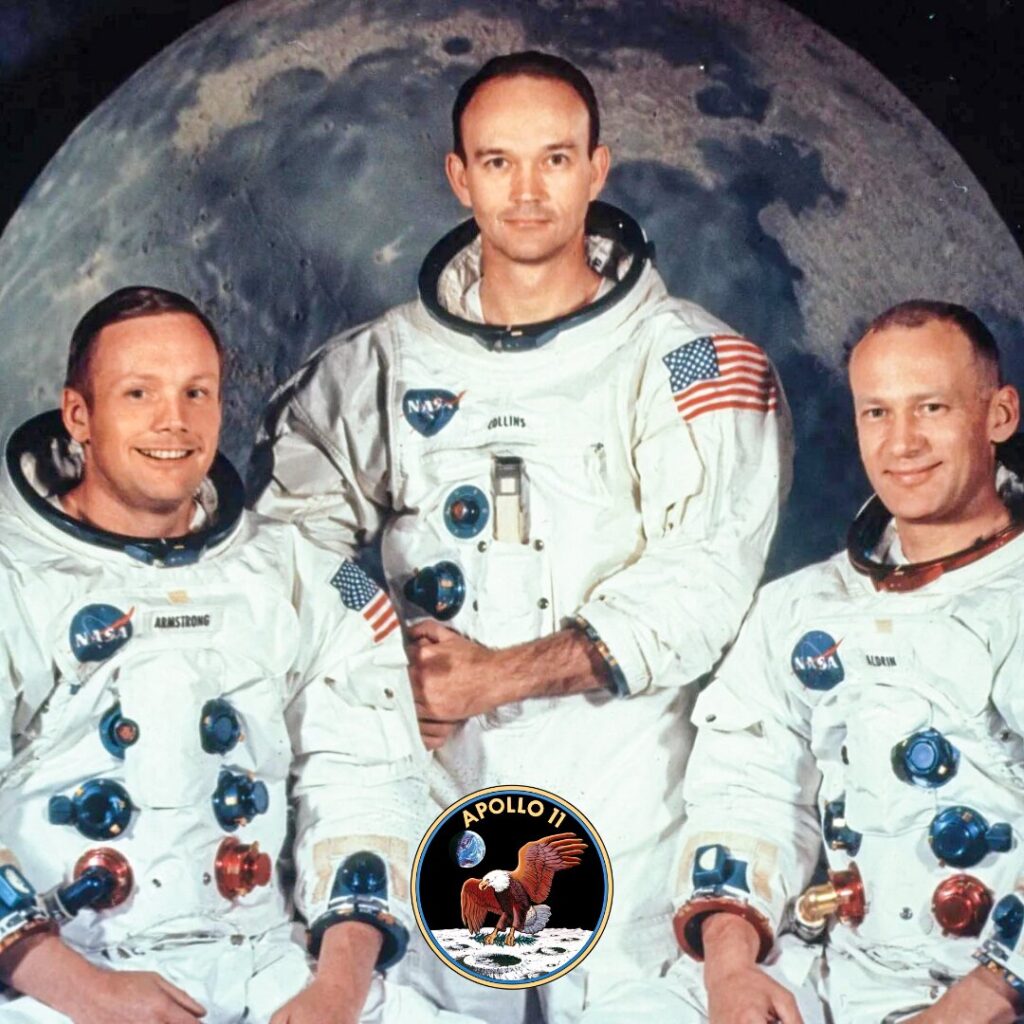
No matter what our beliefs may be, I think we can agree that greater love hath no man than this: to step out into the dark unknown and be willing to risk everything for the future of little girls on their swing sets and little boys clutching their toys in church. It’s for lunchrooms full of excited children and teachers who want to travel past the stars to show their students that dreams can come true. Blasting off into another world demonstrates great love for college students who stop and gasp in disbelief at bad news. It’s bringing beautiful, deep hope to people in faraway places and giving unity to all those who gaze up at “la bella luna” from every remote corner of the world. Risking one’s life for medical, technological, and scientific advancements all over the world is a selfless act based in love for all humankin